Omnichannel Gen Z Retail Strategy: Fashion Chains Boost Engagement 45% India 2026
Table of Contents
- Introduction
- The Problem Indian Retailers Face with Gen Z Customers
- The Solution: Building an Effective Gen Z Omnichannel Strategy
- Key Omnichannel Strategies for Gen Z Engagement
- How Commmerce Helps Fashion Chains Win Gen Z Customers
- Conclusion
- FAQs
TL;DR
- Indian fashion chains implementing comprehensive omnichannel Gen Z retail strategies are seeing engagement increases of up to 45% through social commerce integration and mobile-first experiences.
- Gen Z customers expect seamless transitions between social media discovery, mobile shopping, and in-store experiences, requiring unified inventory and order management across all channels.
- Success requires integrating WhatsApp commerce, Instagram Shopping, real-time inventory visibility, and UPI payments into a single omnichannel platform rather than managing disconnected tools.
Introduction
The omnichannel Gen Z retail strategy has become the defining factor for fashion chain success in India's rapidly evolving retail landscape of 2026. Fashion retailers who have successfully implemented comprehensive omnichannel approaches specifically designed for Gen Z customers are reporting engagement increases of 45% or more, fundamentally changing how this demographic shops and interacts with brands.
Gen Z customers, born between 1997 and 2012, represent the fastest-growing consumer segment in India with unique shopping behaviors that demand seamless integration across digital and physical channels. Unlike previous generations, they expect to discover products on Instagram, research on mobile, compare prices across platforms, and complete purchases through whatever channel feels most convenient at that moment.
For Indian fashion chains operating multiple stores, this presents both an enormous opportunity and a complex challenge. The retailers who are winning with Gen Z have moved beyond basic digitization to create truly unified omnichannel experiences that speak the language of social commerce, mobile-first design, and instant gratification.
45% increase in customer engagement for fashion chains using comprehensive Gen Z omnichannel strategiesBased on industry reports from leading Indian fashion retailers, 2026
The Problem Indian Retailers Face with Gen Z Customers
Most Indian fashion chains are struggling to connect with Gen Z customers because their current retail systems were built for older shopping behaviors. Traditional retailers often operate with disconnected channels where their physical stores, websites, and social media presence function as separate entities rather than a unified experience.
The primary challenge lies in Gen Z's fundamentally different shopping journey. These customers might discover a product through an Instagram influencer post, check reviews on the brand's website, visit a physical store to try items on, compare prices on their mobile while in-store, and ultimately purchase through WhatsApp. This complex, multi-touchpoint journey breaks down when retailers use legacy systems like Tally, Marg ERP, or manual processes that cannot provide real-time inventory visibility across channels.
Common pain points include:
- Customers finding products online that are out of stock in their preferred store location
- No ability to reserve items seen on social media for in-store pickup
- Pricing discrepancies between online promotions and physical store offers
- Staff unable to access customer purchase history from other channels
- Social media leads that cannot be converted due to lack of integrated commerce capabilities
- Mobile website experiences that are slow and not optimized for UPI payments
According to IBEF retail industry reports, fashion retailers who fail to adapt their omnichannel strategy for Gen Z preferences are seeing declining foot traffic and reduced customer lifetime value as this demographic chooses competitors with more seamless experiences.
The Solution: Building an Effective Gen Z Omnichannel Strategy
The solution requires implementing a unified omnichannel retail platform that treats all customer touchpoints as part of a single, integrated experience. Successful Gen Z omnichannel retail strategies focus on three core principles: social commerce integration, mobile-first design, and real-time inventory synchronization across all channels.
The most effective approach involves selecting an omnichannel platform that can handle the complexity of modern Gen Z shopping behaviors while providing the flexibility to adapt to rapidly changing social media trends and mobile technologies. This goes far beyond simple billing software to encompass inventory management, order processing, customer relationship management, and social commerce capabilities in one system.
Key elements to look for include:
- Native social media commerce integrations with Instagram Shopping and WhatsApp Business
- Mobile-optimized checkout with UPI, digital wallet, and BNPL payment options
- Real-time inventory visibility across all stores and online channels
- Customer data unification to track journeys across touchpoints
- Flexible promotion and loyalty program management
- Analytics that provide insights into Gen Z shopping patterns and preferences
💡Pro TipGen Z customers abandon purchases 60% more often when they cannot see real-time stock availability or when checkout processes require more than three steps on mobile devices.
Key Omnichannel Strategies for Gen Z Engagement
Social Commerce Integration
Social commerce integration represents the foundation of any effective omnichannel Gen Z retail strategy. This involves creating shoppable experiences directly within social media platforms where Gen Z customers spend the majority of their time. Successful fashion chains are implementing Instagram Shopping catalogs that sync automatically with their inventory management system, ensuring that products showcased by influencers or in brand posts are always available for immediate purchase.
WhatsApp commerce has emerged as particularly powerful for Indian fashion retailers, allowing customers to inquire about products, check availability across store locations, and complete purchases through familiar chat interfaces. The key is ensuring these social commerce channels connect seamlessly with the same inventory and order management system used in physical stores.
Mobile-First Experience Design
Gen Z mobile-first shopping behaviors require fashion retailers to prioritize mobile experience optimization above all other channels. This means implementing Progressive Web App (PWA) technology that provides app-like experiences without requiring downloads, optimizing for touch interfaces, and ensuring page load speeds under two seconds even on slower Indian mobile networks.
Payment integration becomes critical, with UPI, PhonePe, Paytm, and Buy Now Pay Later options expected as standard. The checkout process must be optimized for one-handed mobile use, with features like saved payment methods, address autocomplete, and biometric authentication where possible.
Unified Customer Data and Personalization
Creating personalized experiences requires unifying customer data across all touchpoints to build comprehensive profiles of shopping behaviors, preferences, and purchase history. This enables fashion retailers to provide relevant product recommendations whether customers are browsing in-store, online, or through social media channels.
Advanced omnichannel platforms use this unified data to trigger personalized communications, such as WhatsApp messages about restocked items or email notifications about sales on previously viewed products, creating the seamless, anticipatory experience Gen Z customers expect.
Flexible Fulfillment Options
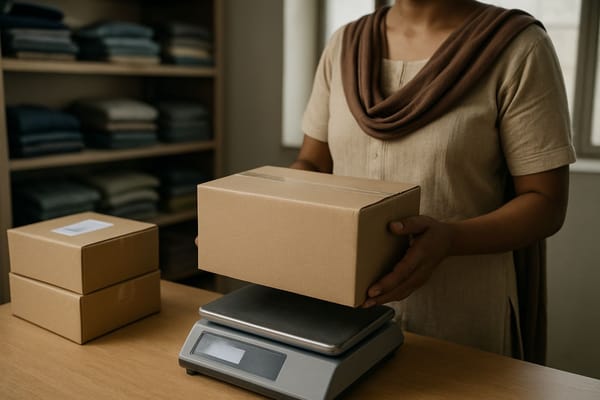
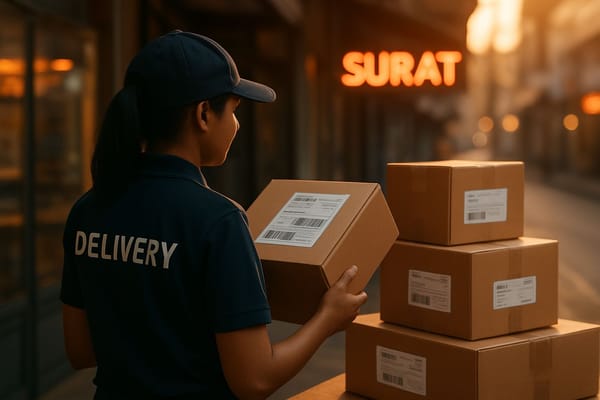
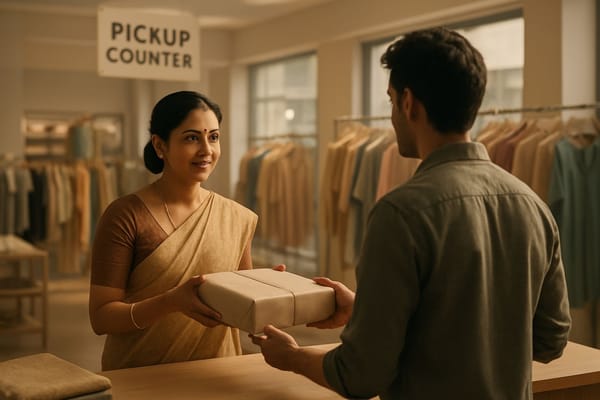
Gen Z customers expect maximum flexibility in how they receive their purchases. This includes buy-online-pickup-in-store (BOPIS), ship-from-store options, same-day delivery in urban areas, and easy returns or exchanges across any channel. Implementing these capabilities requires sophisticated order management systems that can route orders to optimal fulfillment locations based on inventory availability and customer proximity.
| Strategy Element | Traditional Approach | Gen Z Omnichannel Approach |
|---|---|---|
| Product Discovery | Store visits, print ads | Instagram, influencer content, social shopping |
| Purchase Process | Linear, single-channel | Multi-channel, seamless switching |
| Payment Preferences | Cash, cards | UPI, digital wallets, BNPL |
| Customer Service | Phone calls, in-person | WhatsApp, chat, social media DMs |
| Loyalty Programs | Points cards, store-specific | Gamified, social sharing, omnichannel rewards |
Real-Time Inventory Transparency
One of the most critical aspects of effective omnichannel Gen Z retail strategy involves providing complete inventory transparency across all channels. Gen Z customers expect to see real-time stock levels, size availability, and estimated delivery times before making purchase decisions. This requires implementing inventory management systems that update across all channels instantly when items are sold, returned, or transferred between locations.
⚠️Watch OutShowing out-of-stock items on social media or mobile sites while they're available in stores creates the fastest path to losing Gen Z customers permanently to competitors.
How Commmerce Helps Fashion Chains Win Gen Z Customers
Commmerce provides fashion chains with a comprehensive Omnichannel Retail Operating System specifically designed to address the complex requirements of Gen Z customer engagement. Unlike traditional billing software or disconnected POS systems, Commmerce unifies all customer touchpoints into a single platform that powers seamless omnichannel experiences.
The platform's social commerce capabilities include native WhatsApp Business integration for order processing and customer communication, along with automated inventory synchronization that ensures products showcased on Instagram Shopping or other social platforms always reflect real-time availability across all store locations. This eliminates the common problem of social media leads that cannot be converted due to stock discrepancies.
For mobile-first experiences, Commmerce offers optimized checkout processes with integrated UPI, PhonePe, Paytm, and Razorpay payment options that provide the instant, frictionless transactions Gen Z customers expect. The platform's offline-first architecture ensures that in-store experiences remain seamless even during internet outages, while automatically syncing all data when connectivity is restored.
Key features that drive Gen Z engagement include:
- Unified Customer Profiles: Track customer interactions across social media, mobile app, website, and physical stores to create personalized shopping experiences
- Real-Time Inventory Sync: Ensure accurate stock visibility across Instagram Shopping, WhatsApp commerce, website, and in-store systems
- Flexible Order Management: Support buy-online-pickup-in-store, ship-from-store, and same-day delivery options that Gen Z customers demand
- Social Integration: Native WhatsApp invoicing and communication tools that maintain engagement through preferred Gen Z channels
- Mobile-Optimized POS: Staff can access customer purchase history, process returns from any channel, and provide consistent service regardless of where the original purchase occurred
Compared to using separate systems like Vyapar for billing and manual Excel tracking for inventory, Commmerce provides the integrated approach necessary for effective omnichannel retail operations that can keep pace with Gen Z expectations.
Fashion chains using Commmerce report significant improvements in key Gen Z engagement metrics, including reduced cart abandonment rates, increased average order values, and higher customer lifetime value through improved retention across all channels. The platform's analytics provide detailed insights into Gen Z shopping patterns, helping retailers optimize their product mix, pricing strategies, and promotional campaigns for maximum impact.
Conclusion
Implementing an effective omnichannel Gen Z retail strategy has become essential for fashion chains seeking sustainable growth in India's competitive retail market of 2026. The 45% engagement increases achieved by leading retailers demonstrate the tangible benefits of creating unified, social commerce-enabled experiences that meet Gen Z customers where they are and how they prefer to shop.
Success requires moving beyond traditional retail approaches to embrace integrated platforms that can handle the complexity of modern customer journeys. From social media discovery to mobile purchase completion, every touchpoint must work seamlessly together while providing the real-time inventory visibility, flexible fulfillment options, and personalized experiences that define Gen Z shopping expectations.
The retailers who invest in comprehensive omnichannel solutions now will be best positioned to capture the growing Gen Z market share and build lasting customer relationships that drive long-term profitability. The alternative is watching these digitally native customers choose competitors who better understand and serve their omnichannel needs.
For additional insights into effective omnichannel strategies, explore our guides on fashion chain scaling strategies and inventory optimization for multi-store operations.
FAQs
Q: What makes Gen Z customers different in Indian retail?
A: Gen Z customers in India prioritize seamless digital experiences, social media shopping, instant gratification, and authentic brand interactions across multiple channels simultaneously.
Q: How can fashion retailers increase Gen Z engagement through omnichannel strategies?
A: Fashion retailers can boost Gen Z engagement by integrating social commerce, offering mobile-first experiences, implementing try-before-you-buy programs, and creating unified loyalty programs across all channels.
Q: What role does social media play in Gen Z omnichannel retail strategies?
A: Social media serves as both a discovery and purchase channel for Gen Z, requiring retailers to integrate Instagram Shopping, WhatsApp commerce, and influencer partnerships directly into their omnichannel platform.
Q: How important is mobile optimization for Gen Z fashion retail in India?
A: Mobile optimization is critical as Gen Z customers expect fast-loading mobile sites, one-click checkout, digital payments like UPI, and seamless transitions between mobile app and physical store experiences.
Q: What omnichannel features do Gen Z customers expect from fashion brands?
A: Gen Z expects buy-online-pickup-in-store options, real-time inventory visibility, virtual try-on features, social proof integration, and consistent pricing and promotions across all channels.
Disclaimer: This article is for general informational purposes only and does not constitute legal, financial, or tax advice. GST rules, compliance requirements, and platform features may change over time. Please verify the latest guidelines with a qualified professional or refer to official sources such as the GSTN or CBIC. Market statistics mentioned are based on publicly available estimates and may not reflect current figures. Commmerce product features referenced are accurate at the time of writing and subject to change.