Table of Contents
- Introduction
- The Problem Indian Retailers Face
- The Solution: What to Look For
- Key Features / Steps
- How Commmerce Helps
- Conclusion
- FAQs
TL;DR
- Self-checkout systems in retail reduce customer queue times.
- These systems help optimize labour costs by automating the checkout process.
- Integration with omnichannel platforms enhances operational efficiency.
Introduction
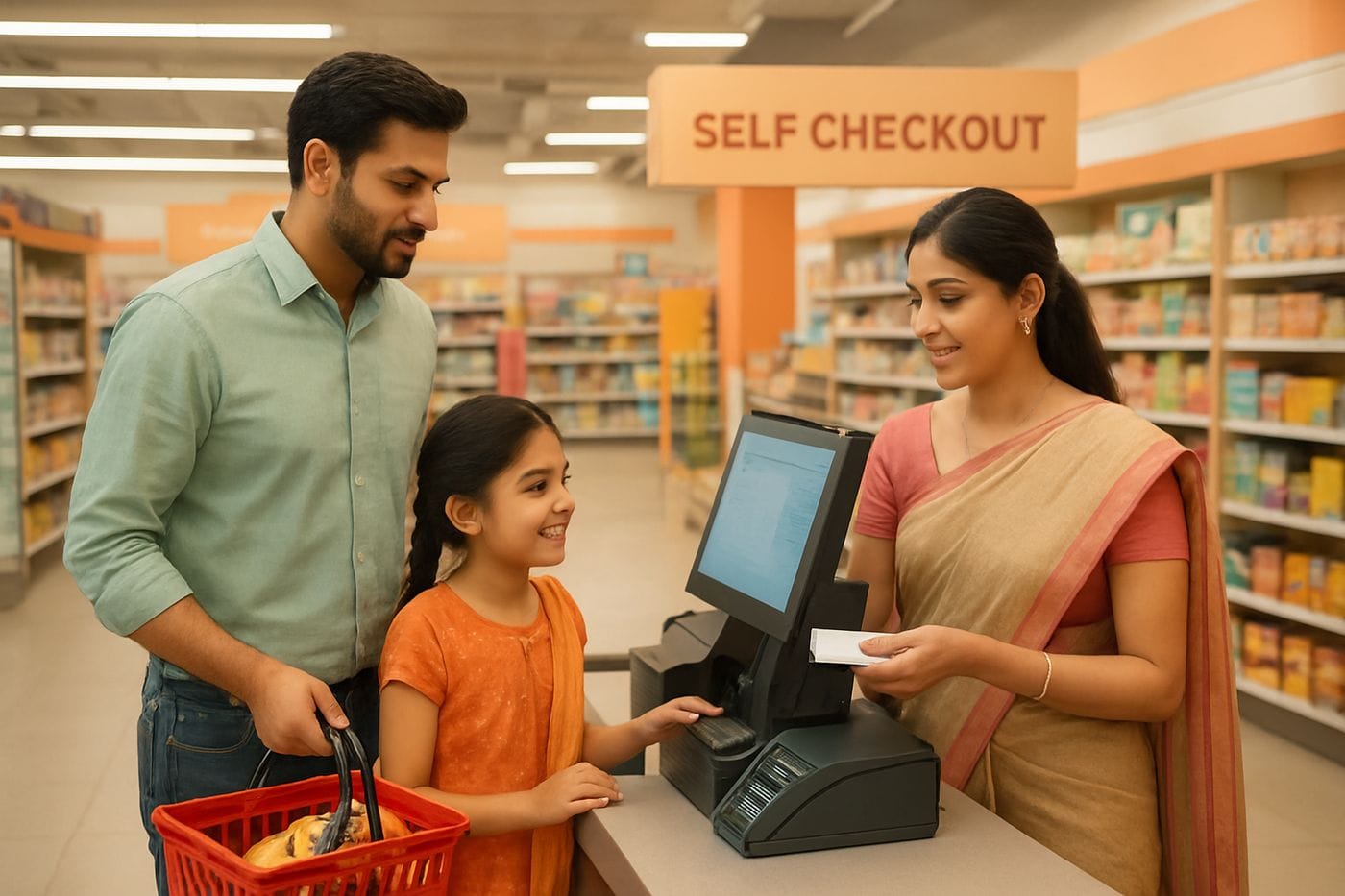
Self-checkout for Indian retail offers a transformative solution to cut down queues and labour costs. By allowing customers to independently process their purchases, retailers can significantly enhance efficiency and customer satisfaction. Self-checkout systems empower Indian retailers to optimize operations, especially during peak shopping hours, offering a seamless experience across omnichannel platforms.
What is the direct benefit of self-checkout systems in retail? They minimize customer wait times and reduce dependency on staff, making operations smoother.
The Problem Indian Retailers Face
Indian retailers often struggle with long customer queues and increasing labour costs, affecting customer satisfaction and operational efficiency. The challenge is further exacerbated by inconsistent staff availability during peak hours, leading to prolonged wait times and a frustrating shopping experience for customers. Additionally, the manual handling of checkouts increases the likelihood of errors, from pricing mistakes to mismanaged transactions, impacting overall profitability.
💡Pro TipImplementing self-checkout systems can alleviate peak time pressure, distributing customer flow more evenly across checkout points.
The Solution: What to Look For
Opting for a self-checkout system that integrates well with an omnichannel retail platform is essential for Indian retailers. The ideal solution should feature a user-friendly interface, secure payment processing, and real-time inventory management to prevent stock discrepancies. It’s also critical that these systems comply with Indian regulatory requirements, offering GST-compliant billing and easy integration with existing logistics and payment systems like Razorpay and PhonePe.
Key Features / Steps
User-Friendly Interfaces
Ensuring an intuitive and easy-to-navigate checkout screen is essential for customer adoption. Shoppers of all ages should be able to independently complete their purchase without any hassle.
Secure Payment Processing
Integration with secure payment gateways is critical for protecting customer data and ensuring a smooth transaction process. Look for systems offering compatibility with UPI and popular digital wallets.
Real-Time Inventory Updates
Self-checkout systems should update stock levels instantaneously, reflecting accurate quantities available both in-store and online to avoid canceled orders or disappointed customers.
⚠️Watch OutNot syncing your self-checkout with your inventory system can lead to stock mismatches and decreased customer satisfaction.
GST-Compliant Billing
Ensuring the system is updated with the latest GST taxation rules is vital for compliance and accurate billing, reducing manual accounting errors and easing tax filing processes.
How Commmerce Helps
Commmerce, as an omnichannel retail platform, significantly enhances self-checkout capabilities by offering seamless integration with its unified platform. It enables real-time synchronization of inventory and order management across multiple channels, reducing the potential for discrepancies.
Through Commmerce’s offline-first POS functionality, Indian retailers ensure continuous operations even during internet outages, aligning perfectly with self-checkout requirements.
Additionally, Commmerce offers. customizable self-checkout solutions tailored to specific retailer needs, ensuring a streamlined process from start to finish.
Conclusion
Self-checkout systems offer Indian retailers a robust solution to cut queues and labour costs, improving customer satisfaction and operational efficiency. By integrating such systems with an omnichannel platform like Commmerce, retailers can optimize their operations across all sales channels.
FAQs
Q: What is self-checkout in retail?
A: Self-checkout in retail allows customers to scan, bag, and pay for items independently, reducing checkout time and labour costs.
Q: How does self-checkout help Indian retailers?
A: Self-checkout helps Indian retailers reduce queues, optimize labour costs, and improve customer experience by offering a quicker checkout process.
Q: What features should a self-checkout system have?
A: A self-checkout system should have user-friendly interfaces, secure payment integration, real-time inventory updates, and robust security measures.
Q: Can self-checkout systems integrate with existing retail platforms?
A: Yes, many self-checkout systems can integrate with existing omnichannel retail platforms for seamless operation across different sales channels.
Q: Are self-checkout systems cost-effective for small retailers?
A: Self-checkout systems can be cost-effective for small retailers by reducing labour costs and improving efficiency, especially during peak hours.
Disclaimer: This article is for general informational purposes only and does not constitute legal, financial, or tax advice. GST rules, compliance requirements, and platform features may change over time. Please verify the latest guidelines with a qualified professional or refer to official sources such as the GSTN or CBIC. Market statistics mentioned are based on publicly available estimates and may not reflect current figures. Commmerce product features referenced are accurate at the time of writing and subject to change.