Warehouse Receiving Errors: Fix Dead Stock for Indian Grocery Chains
Table of Contents
- Introduction
- The Problem: How Receiving Errors Create Dead Stock
- The Solution: What to Look for in a Warehouse System
- How to Fix Warehouse Receiving Errors Step by Step
- How Commmerce Helps Indian Grocery Chains
- Conclusion
- FAQs
TL;DR
- Warehouse receiving errors in Indian grocery chains, such as wrong quantity entries and missing expiry date scans, are the single biggest driver of dead stock and write-offs.
- Fixing this requires digitising the goods-received process with barcode or RFID scanning, FEFO putaway rules, and real-time stock visibility across every branch.
- Commmerce is an Omnichannel Retail Operating System that connects warehouse receiving, branch inventory, OMS, and POS in one platform so grocery retailers eliminate manual errors at the source.
- Unlike Marg ERP or Vyapar, Commmerce gives multi-store grocery chains a live, unified view of stock movement from purchase order to shelf, without expensive proprietary hardware.
Introduction
Warehouse receiving errors are the silent profit killers inside every growing Indian grocery chain, and left unaddressed they snowball into dead stock that blocks working capital, spoils margins, and clogs warehouse shelves for months. For a grocery retailer managing two stores or twenty, the receiving dock is where inventory accuracy is won or lost. A miskeyed quantity here, a skipped expiry date scan there, and within weeks you are staring at cartons of slow-moving or expired goods that cannot be sold. According to industry estimates, inaccurate warehouse receiving is one of the top three root causes of inventory shrinkage in Indian food and grocery retail.
This guide explains exactly how warehouse receiving errors cause dead stock in grocery chains, what a modern warehouse management process must include to prevent them, and how Indian retailers are solving this problem today with an integrated omnichannel platform instead of patching together disconnected billing tools.
⚠️Watch OutMost Indian grocery chains still receive goods by manually counting cartons and entering quantities into Tally or a spreadsheet. This approach guarantees receiving discrepancies because there is no system check at the moment goods physically arrive.
The Problem: How Receiving Errors Create Dead Stock
Warehouse receiving errors in Indian grocery chains stem from a gap between what is physically delivered and what is recorded in the system, and that gap compounds into dead stock over weeks and months. Understanding where errors enter the process is the first step to eliminating them.
Manual Entry Is the Root Cause
Most grocery chains with fewer than 50 stores still rely on paper-based goods-received notes (GRNs) or manual entry into tools like Marg ERP, TallyPrime, or Vyapar. These tools are designed for accounting and billing, not for warehouse operations. When a staff member manually keys in 48 cartons instead of 84, the system accepts it without question. There is no cross-check against the purchase order, no barcode scan to confirm item identity, and no alert if a SKU is unrecognised. The result is a book quantity that never matches physical stock.
Expiry Dates Are Not Captured at Receiving
In grocery retail, expiry date management is a legal and operational obligation. The Food Safety and Standards Authority of India (FSSAI) mandates that food businesses maintain traceability records including batch and expiry information. When receiving teams do not scan or log expiry dates at the dock, the warehouse has no basis to enforce First Expiry, First Out (FEFO) rotation. Stock with a nearer expiry date sits at the back of the shelf while fresh stock is sold first, turning short-dated goods into dead stock before anyone notices.
No Real-Time Visibility Across Branches
A grocery chain operating five stores from a central warehouse faces an additional layer of complexity. Each branch places replenishment requests based on its own perception of need, with no live view of what stock is already in transit or sitting in the warehouse. Buyers often reorder items that are already overstocked at the warehouse level, because their tools show branch-level stock only. This purchasing overlap is a direct path to dead stock accumulation for grocery chains managing warehouse receiving across multiple locations.
Returns Are Logged Too Late or Not at All
Supplier returns for damaged, short-dated, or incorrect goods are a routine part of grocery receiving. When these returns are not logged immediately in the inventory system, the quantities remain on-hand in the books. Buyers see inflated stock levels and delay replenishment for fast-moving items, while the physical goods are sitting in a reject corner or have already gone back to the supplier. This misalignment drives both stockouts on live SKUs and dead stock on rejected ones.
The Solution: What to Look for in a Warehouse System
The right solution for warehouse receiving errors is a system that digitises every step of the goods-received process and connects warehouse operations to the rest of the retail business in real time. Here is what Indian grocery chains should look for.
💡Pro TipDo not evaluate a warehouse system in isolation. The real value comes when warehouse receiving is connected to your POS, online store, and OMS in one platform, so every scan at the receiving dock is immediately visible at every sales channel.
Barcode and RFID Scanning at the Receiving Dock
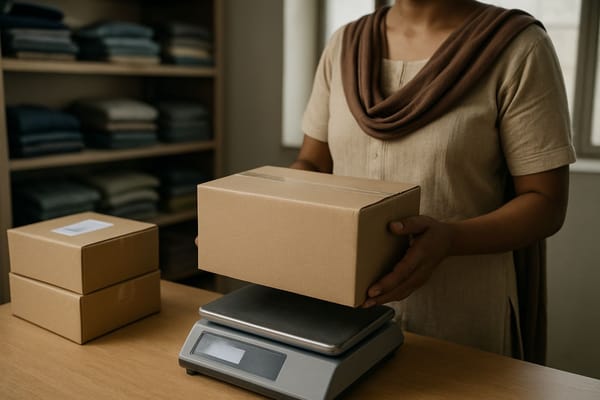
Every item received must be scanned, not counted by eye and typed. Barcode scanning confirms item identity against the purchase order and flags discrepancies on the spot. For high-volume grocery warehouses, RFID-based receiving allows entire pallets to be scanned simultaneously, cutting receiving time significantly. The system should reject unrecognised barcodes and alert the team before goods are put away.
Purchase Order Matching and Tolerance Rules
A warehouse system must automatically compare the received quantity against the open purchase order. If the supplier delivers 10% less than ordered, the system should flag it for approval rather than silently accepting it. Configurable tolerance rules let grocery chains decide how much variance is acceptable before a discrepancy alert is raised and the GRN is held for review.
Batch and Expiry Date Capture
For grocery and FMCG categories, batch number and expiry date capture at receiving is non-negotiable. The system should enforce FEFO putaway, directing staff to store short-dated goods in pick locations that are accessed first. This single feature prevents a large portion of the dead stock that grocery chains write off each financial year.
Integrated Stock Visibility Across Stores and Warehouse
Real-time stock visibility means that the moment a GRN is confirmed at the warehouse, every branch manager and buyer can see the updated on-hand quantity. This prevents duplicate purchase orders and ensures that replenishment decisions are based on live data, not memory or guesswork. According to the India Brand Equity Foundation (IBEF), the Indian grocery retail market is one of the largest and fastest-growing in the world, and retailers who can operate with lean, accurate inventory will hold a structural cost advantage over those who cannot.
Comparison: Modern WMS vs Legacy Billing Tools
| Capability | Marg ERP / Vyapar / Tally | Modern WMS (e.g. Commmerce) |
|---|---|---|
| Goods received note | Manual entry, no PO check | Scan-based, auto-matched to PO |
| Expiry date tracking | Not enforced at receiving | Captured at scan, FEFO enforced |
| Multi-branch visibility | Requires manual consolidation | Real-time across all branches |
| Discrepancy alerts | None | Automatic, with tolerance rules |
| Returns management | Separate credit note, often delayed | Logged at dock, stock adjusted instantly |
How to Fix Warehouse Receiving Errors Step by Step
Fixing warehouse receiving errors in a grocery chain requires a structured process change, not just a software upgrade. Follow these steps to eliminate the root causes of dead stock at the receiving dock.
- Audit your current GRN process. Walk through a live goods-received session and note every point where data is entered manually, estimated, or skipped. Map each of these points to a potential inventory error type, such as quantity mismatch, wrong SKU, or missing batch data.
- Create a master SKU library with barcodes. Every product that enters your warehouse must have a barcode registered in your system before it can be received. This step forces you to clean up your product master and eliminates ghost SKUs that accumulate in manual systems over time.
- Implement scan-based receiving with PO matching. Issue purchase orders from your system before goods arrive, then require receiving staff to scan each item against the open PO. The system should display expected vs received quantity in real time and flag any variance before the GRN is confirmed.
- Enforce batch and expiry date capture as mandatory fields. Configure your warehouse system so that a GRN cannot be completed without a batch number and expiry date for every perishable or FMCG item. Make these non-skippable fields, not optional ones.
- Set up FEFO putaway rules. Once expiry data is captured, the system should direct staff to store the short-dated batch in the front pick location and the longer-dated batch behind it. This eliminates manual FEFO decisions that staff get wrong under time pressure.
- Connect warehouse stock to all sales channels in real time. The moment a GRN is confirmed, every branch, every online channel, and every buyer dashboard should reflect the updated stock level. This is where an integrated omnichannel platform delivers value that a standalone WMS cannot. You can learn more in our detailed guide on Warehouse Receiving Errors: Fix Dead Stock in Indian Grocery Chains.
- Review dead stock reports weekly. Set a recurring review of slow-moving and zero-movement SKUs, filtered by age and quantity on-hand. Use this report to trigger markdowns, bundle offers, or supplier return requests before goods reach their write-off threshold.
How Commmerce Helps Indian Grocery Chains
Commmerce is an Omnichannel Retail Operating System built specifically for Indian retailers with 2 to 50 stores, and it addresses warehouse receiving errors by connecting every step of the goods-received process to the rest of the retail operation in one unified platform.
Scan-Based Receiving Errors Prevention with WMS
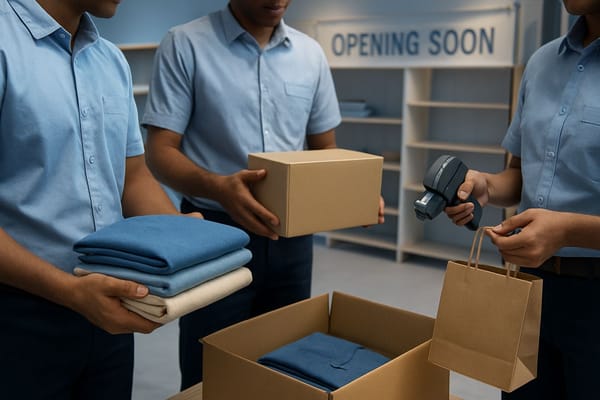
Commmerce's Warehouse Management System (WMS) includes picking, packing, and putaway workflows that digitise the entire receiving dock process. Receiving staff scan incoming goods on Android or iOS devices, with no proprietary terminals required. The platform runs on affordable generic hardware, which means grocery chains can equip every receiving bay without a large capital investment. Every scan is matched against the open purchase order in real time, and discrepancies are flagged before goods move to putaway.
Real-Time Inventory Across Every Branch
The moment a GRN is confirmed in Commmerce, stock levels update instantly across every connected branch and sales channel. Branch managers can see what is available at the central warehouse without calling anyone. Buyers can see on-hand quantities before raising a new purchase order. This single capability eliminates the purchasing overlaps that are a primary cause of dead stock accumulation for multi-location grocery chains managing warehouse receiving across multiple sites.
Barcode and RFID Based Inventory Tracking
Commmerce supports both barcode and RFID-based inventory tracking, giving grocery chains the flexibility to use standard GS1 barcodes on FMCG goods and RFID for higher-value or bulk categories. This is integrated directly into the receiving workflow, not bolted on as a separate tool. The result is a receiving process where every item is positively identified at the dock, reducing the chance of wrong-SKU or wrong-quantity errors that generate dead stock downstream.
Centralised Inventory Management for Preventing Dead Stock in Grocery
Commmerce provides centralised inventory management across all branches and warehouses in one dashboard. This means a regional grocery chain can see stock movement, GRN status, and slow-moving SKU reports for every location without logging into separate systems or exporting spreadsheets. The platform also includes real-time sales analytics and reports, so dead stock is identified early rather than discovered at the end of a financial quarter.
GST Compliance and Supplier Management Built In
For Indian grocery chains, every purchase transaction carries GST implications. Commmerce includes built-in GST billing compliant with Indian tax laws, including GSTN e-invoice integration for suppliers. This means GRNs, credit notes for returns, and purchase adjustments are all GST-compliant by default, removing the manual reconciliation step that creates delays and errors in legacy systems like TallyPrime.
One Platform Instead of Stitched-Together Tools
Unlike Marg ERP or Vyapar, which handle billing as their primary function and treat inventory as a secondary ledger, Commmerce is a single connected core that runs POS, inventory, online store, OMS, warehouse, and delivery in one system. This matters for grocery chains because a receiving error caught at the warehouse dock is immediately reflected at the POS, the online storefront, and the order management layer without any manual sync or export required.
Running a retail business in India? See how Commmerce unifies your stores, inventory, orders and delivery in one platform.
Conclusion
Warehouse receiving errors are not an inevitable cost of running a grocery chain in India. They are a process and technology problem with a clear solution. By digitising the receiving dock with scan-based GRNs, enforcing FEFO putaway, capturing batch and expiry data at the point of entry, and connecting warehouse stock to every branch and sales channel in real time, grocery retailers can eliminate the root causes of dead stock in grocery operations before they compound into write-offs. The difference between a grocery chain that grows profitably and one that erodes margin through shrinkage is almost always inventory accuracy, and inventory accuracy starts at the warehouse receiving dock. Moving away from disconnected billing tools to a unified omnichannel retail platform is the structural change that makes this possible at scale.
FAQs
Q: What are warehouse receiving errors and how do they cause dead stock in grocery chains?
A: Warehouse receiving errors occur when goods are logged incorrectly at the point of entry, such as wrong quantities, missing SKUs, or unscanned expiry dates, leading to inventory mismatches that result in unsellable or forgotten stock, commonly called dead stock, accumulating in grocery chain warehouses.
Q: How does a warehouse management system help reduce dead stock for Indian grocery retailers?
A: A warehouse management system reduces dead stock by digitising the goods-received process with barcode or RFID scanning, enforcing FEFO (First Expiry, First Out) putaway rules, and giving buyers real-time visibility into what stock is already on-hand before placing new purchase orders.
Q: Can Commmerce work for grocery chains with multiple stores and a central warehouse?
A: Yes. Commmerce is an Omnichannel Retail Operating System built for Indian retailers with 2 to 50 stores, and it connects a central warehouse with every branch in real time, so stock movements, purchase orders, and replenishment signals are visible across all locations from one dashboard.
Q: What is the difference between Commmerce and tools like Marg ERP or Vyapar for warehouse management?
A: Marg ERP and Vyapar are primarily billing and accounting tools that handle inventory as a ledger entry, whereas Commmerce is a full omnichannel retail platform that includes warehouse picking, packing, putaway workflows, real-time branch-level stock visibility, and order management across physical stores and online channels in one connected system.
Q: How quickly can a grocery chain go live on Commmerce's warehouse management system?
A: Commmerce installs on existing Windows, Mac, Android, or iOS devices with no proprietary hardware required, and because there is no large-scale data migration needed to start, grocery chains can go live quickly without disrupting ongoing store operations.
Disclaimer: This article is for general informational purposes only and does not constitute legal, financial, or tax advice. GST rules, compliance requirements, and platform features may change over time. Please verify the latest guidelines with a qualified professional or refer to official sources such as the GSTN or CBIC. Market statistics mentioned are based on publicly available estimates and may not reflect current figures. Commmerce product features referenced are accurate at the time of writing and subject to change.