An uncollected click and collect order is a paid or reserved order that the customer never picks up from the store. Until someone releases it, the item stays locked to that order, hidden from the website, the marketplaces and the next walk-in customer. The fix is a pickup deadline, a reminder, and an automatic release of stock when the deadline passes.
Why uncollected pickup orders quietly drain sales
Every pickup order takes one unit out of sellable stock the moment it is placed. If the customer never turns up, that unit sits on a hold shelf while the system still counts it as sold. Nobody notices, because the order is not cancelled and not shipped.
The damage is largest on fast movers. A single kurta in size M, held for a week, can turn away three or four real buyers online who see "out of stock". Across five stores and a festive month, the held units add up to a real revenue gap. If you have already set up pickup, our guide on how to set up click and collect for Indian retail stores covers the front end. This article covers the back end that most retailers skip: what happens when the customer does not come.
What actually happens to a held unit
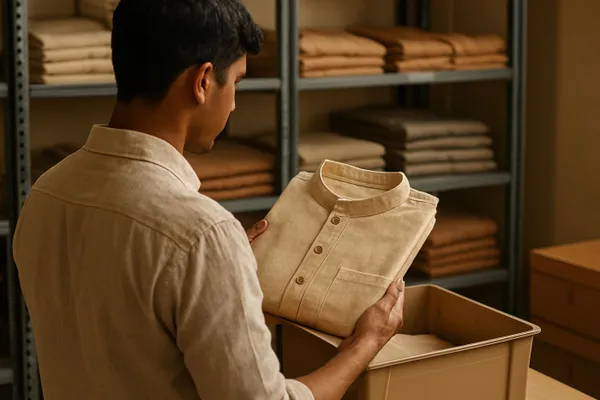
A held unit goes through four states: reserved, packed for pickup, waiting at the counter, and then either collected or stranded. Most stores track only the first and the third, on a handwritten slip or a WhatsApp message to the counter staff.
- Reserved: the order is placed and the unit is removed from sellable stock.
- Packed for pickup: staff pull the item from the shelf and tag it with the order number.
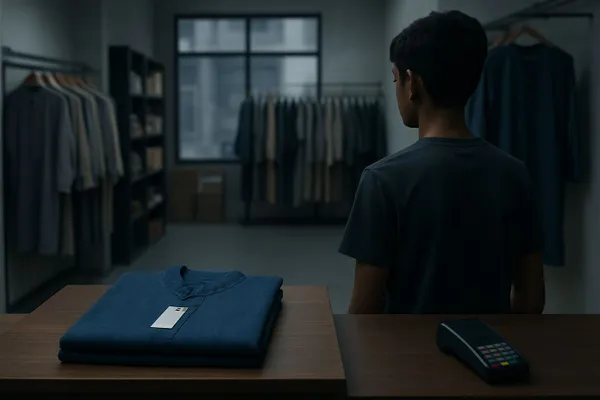
- Waiting: the bag sits behind the counter with no clock running.
- Stranded: the customer never comes, nobody owns the decision to release it, and the unit ages.
The stranded state is where the loss happens. It is the same mechanism we describe in how order cancellations strand stock for Indian retailers, with one difference: here the order is still open, so even a cancellation report will not catch it.
How much stock is typically stuck
You can measure your own exposure in ten minutes. Count every pickup bag behind each counter and note the order date on the tag. Anything older than your pickup window is stranded stock. Multiply the units by their selling price and you have the revenue you are not able to sell today. We do not quote an industry average here because none is published by a public body, so use your own count.
It also helps to know why customers skip pickup. The common reasons are a change of plan, finding the item cheaper elsewhere, or a store that is simply not on their route that week. Industry bodies such as the Retailers Association of India regularly publish on how Indian shoppers move between online and store, and the pattern is that intent changes faster than store processes do.
How to release uncollected click and collect stock
You release stranded stock by giving every pickup order a deadline and letting the system act when it passes. Follow these steps in order.
- Set one pickup window for the whole chain, for example 48 hours for everyday items and 24 hours for items in short supply.
- Show the deadline on the order page, the confirmation message and the pickup tag, so the customer and the counter staff see the same date.
- Send a reminder at the halfway point and again six hours before the deadline, with the store address and closing time.
- Offer a one-time extension on request, so a customer with a genuine delay does not lose the item and you keep the sale.
- Release the unit back to sellable stock automatically when the deadline passes, and push that update to every channel.
- Route the bag to a returns tray with the order number, so staff put it back on the shelf within the same shift.
- Refund prepaid orders to the original payment method and record the reason code as "not collected".
- Review the not-collected rate by store every week and call the stores with the highest numbers.
What to do about prepaid orders that are not collected
If the customer paid online, you owe a refund once the window closes, unless your published terms say otherwise. State the pickup window and the refund rule in your order terms before payment, not after. The Reserve Bank of India publishes rules on digital payment handling and customer grievance timelines on rbi.org.in, so check your payment partner's refund timelines against them and tell the customer what to expect.
For cash-at-store orders there is no refund, only a release. That makes the deadline even more important, because there is no payment pushing the customer to show up.
Keeping the sale instead of just freeing the unit
Releasing stock is the minimum. The better move is to try to convert the stranded order into a sale one more time before the deadline.
- Offer home delivery: a message that says "collect by Friday or we can deliver it for a fee" saves some orders, and you decide whether the stock ships from the store or a warehouse. See ship from store vs warehouse for how to compare the cost.
- Offer a swap: if the customer lost interest in the size or colour, a different one from another store can still close the sale. That is the logic of an endless aisle.
- Offer another store: if the pickup store is the problem, move the order to a store nearer to the customer, if stock exists there.
Which products need the shortest window
Not every item deserves the same deadline. Group your range into three tiers so the rule is simple for staff to apply.
| Item type | Suggested window | Why |
|---|---|---|
| Fast movers and festive stock | 24 hours | Every day on hold is a lost sale to other shoppers |
| Regular range | 48 hours | Balances customer convenience and stock turn |
| Made to order or high value | Agreed with customer | Often paid in full, so refund and restock rules matter |
These windows are starting points, not benchmarks. Check your own not-collected rate for a month and tighten or loosen them.
Where the system has to do the work
This process breaks when it depends on a person remembering. A counter staff member cannot track forty open pickups across a Diwali weekend. Stock availability has to update on every channel when the unit is released, otherwise your website still shows zero while the unit is back on the shelf. The mechanics are the same as in omnichannel inventory sync, and the cost of getting it wrong shows up in overselling on marketplaces.
Commmerce is an Omnichannel Retail Operating System for Indian retailers. It keeps one stock position across stores, your website and marketplaces, so a pickup hold and its release are visible to every channel from the same record. Retail owners who want the wider picture can read unified commerce explained. For market context on how fast Indian retail is shifting to online and omnichannel, see the retail overview at ibef.org.
A simple weekly check
Every Monday, pull four numbers per store: pickup orders placed, collected, released after the window, and the average hours a unit sat on hold. A store with a high released count and a long hold time has a process gap, not a demand problem. Fix the reminder first, then the staff handoff, then the window length.
Frequently asked questions
How long should a store hold a click and collect order?
Most Indian retailers do well with 24 to 48 hours. Use the shorter window for fast movers and festive stock, and a longer one for made-to-order or high-value items agreed with the customer.
Should uncollected prepaid orders be refunded automatically?
Yes, once the window closes and your published terms allow it. Refund to the original payment method, tell the customer the expected timeline, and log the reason as not collected.
Does releasing a held unit update my online store and marketplaces?
It should. If stock is managed from one central record, the release makes the unit sellable on every channel at once. If each channel keeps its own count, you have to update each one by hand.
What is the best way to reduce no-shows for pickup?
Show the deadline everywhere, send reminders at the halfway point and six hours before, and offer a one-time extension or home delivery so a customer with a changed plan still completes the order.